Fellowship Info Session on Sept 16th. RSVP today!




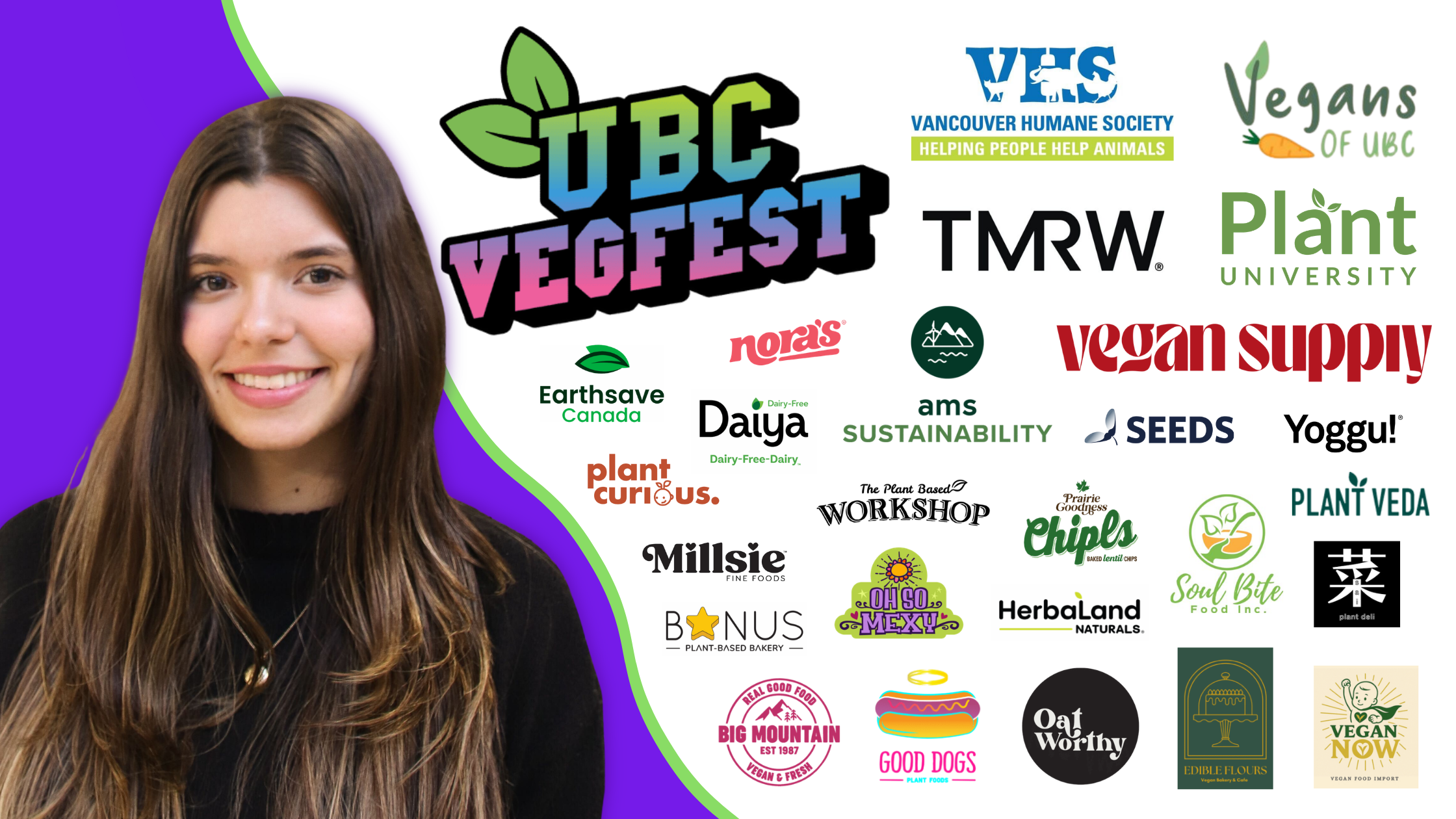
New Roots Institute fellow Cloé Sousa turned an idea to raise awareness about plant-based food options into UBC's first-ever VegFest with 5,000+ attendees, 24 vendors, and a movement built to last.


Nobody plans to become an event organizer while finishing a science degree, running a student club, working part-time for a campus museum, managing a social media community, and advocating for campus food policy at the same time. But for Cloé Sousa, a New Roots Institute fellow at the University of British Columbia, that's exactly what happened.
Fueled by purpose-driven work and the support of the New Roots Institute Fellowship and the Vancouver Humane Society, she pulled off something no one at UBC had done before: a plant-based food festival with more than 5,000 attendees, 24 vendors, and over 18,000 samples handed out in a single day.
Cloé came into the New Roots Institute Fellowship with a clear goal: host a VegFest featuring at least 15 plant-based brands by the end of March 2026 to raise awareness and shift the culture around food at UBC. She had the vision. What she needed was funding, training, connections, and a support system to make it real.
That's exactly what the Fellowship provided. "It made me more confident that I can accomplish my goals and learn where to find support when I need it,” Cloé shared.
With that foundation, and guided by the Better Food Foundation, Cloé got to work.
Organizing a first-of-its-kind event at UBC means there's no template to follow. Cloé co-organized the VegFest alongside the Vancouver Humane Society, spending months connecting with and onboarding a wide network of stakeholders and allies. Partners included AMS Sustainability, Vegans of UBC, UBC Food Services, SEEDS Sustainability, TMRW Foods, and local brands like Vegan Supply.
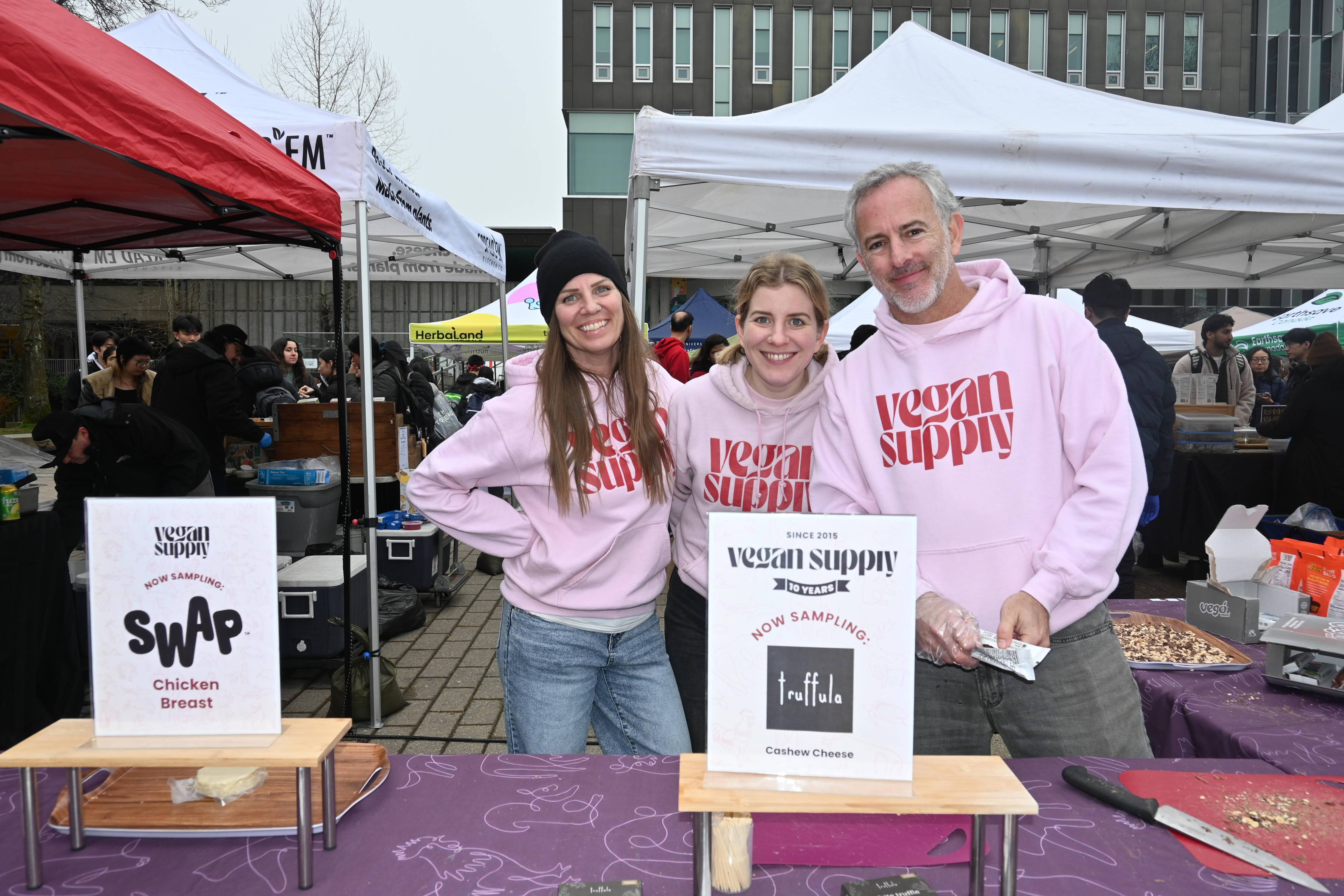
The timeline was ambitious:
Like any first-time event, not everything went according to plan. When key stakeholders went quiet, Cloé built contingencies just in case, and then they came through anyway.
Some of the best outcomes weren’t planned at all.
A single meeting with TMRW Foods opened the door to an entire network of brands. One chance encounter changed everything: bumping into another student leader led to VegFest being folded into UBC’s Sustainability Week, which unlocked a free venue booking. Looking back, Cloé credits relationship-building as one of the most essential factors in pulling off a successful event.
When March arrived, so did thousands of people.
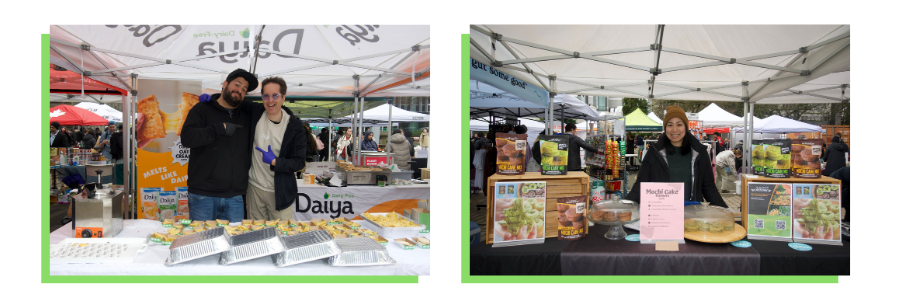
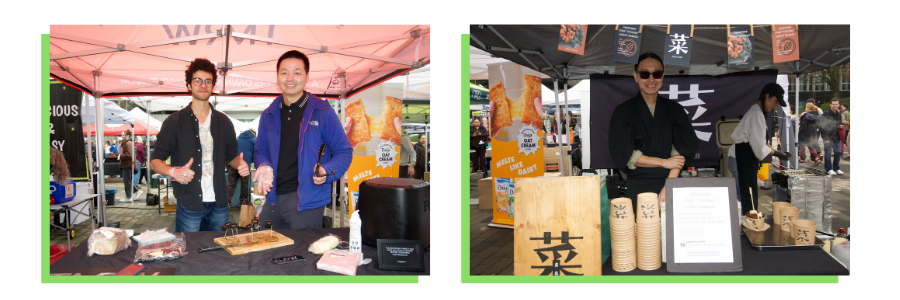
UBC VegFest drew more than 5,000 attendees, featured 24 vendors (18 food brands and 6 non-food brands), and handed out over 18,000 samples.
Cloé’s surveys showed attendee satisfaction averaged 4.84 out of 5. Among vendors, 88.9% said they would return, and 11.1% said maybe. Not a single vendor said no.
Her original goal had been 15 brands. She ended up with 24.
But one of the most meaningful moments wasn't in any metric. Non-vegans with no prior connection to the plant-based movement were spontaneously telling their friends about VegFest. The event had taken on a life of its own.
Attendees felt it too. One wrote:
"Thank you so much for emphasizing education during the event just as much as yummy foods! It is my favourite event I've ever attended at UBC, and I hope it becomes annual."
A vendor called it the "best-managed, most straightforward event we have been part of."
The UBC VegFest isn't ending with Cloé's graduation. While wrapping up her senior year, Cloé met with organizers in April to discuss feedback, lessons learned, and how the event can grow into a permanent fixture at UBC in the coming years.
The Vancouver Humane Society is taking on primary responsibility for organizing future UBC VegFests, with a goal of hosting the event twice a year. A student from the Vegans of UBC club, which Cloé served as president, will be brought on to support communications and campus logistics.
The succession plan is part of what makes the impact lasting. Cloé didn't just organize an event; she built something that can continue without her.
Beyond VegFest: Changing Campus Food Defaults at UBC
UBC's VegFest didn't happen in a vacuum. Cloé was also contributing to a broader campus effort through the Climate-Friendly Food Systems Action Team, which includes retail and dining representatives across UBC. As a student voice on the team, she attended regular meetings and was invited to present on plant-based nudges, drawing on resources from the Better Food Foundation.
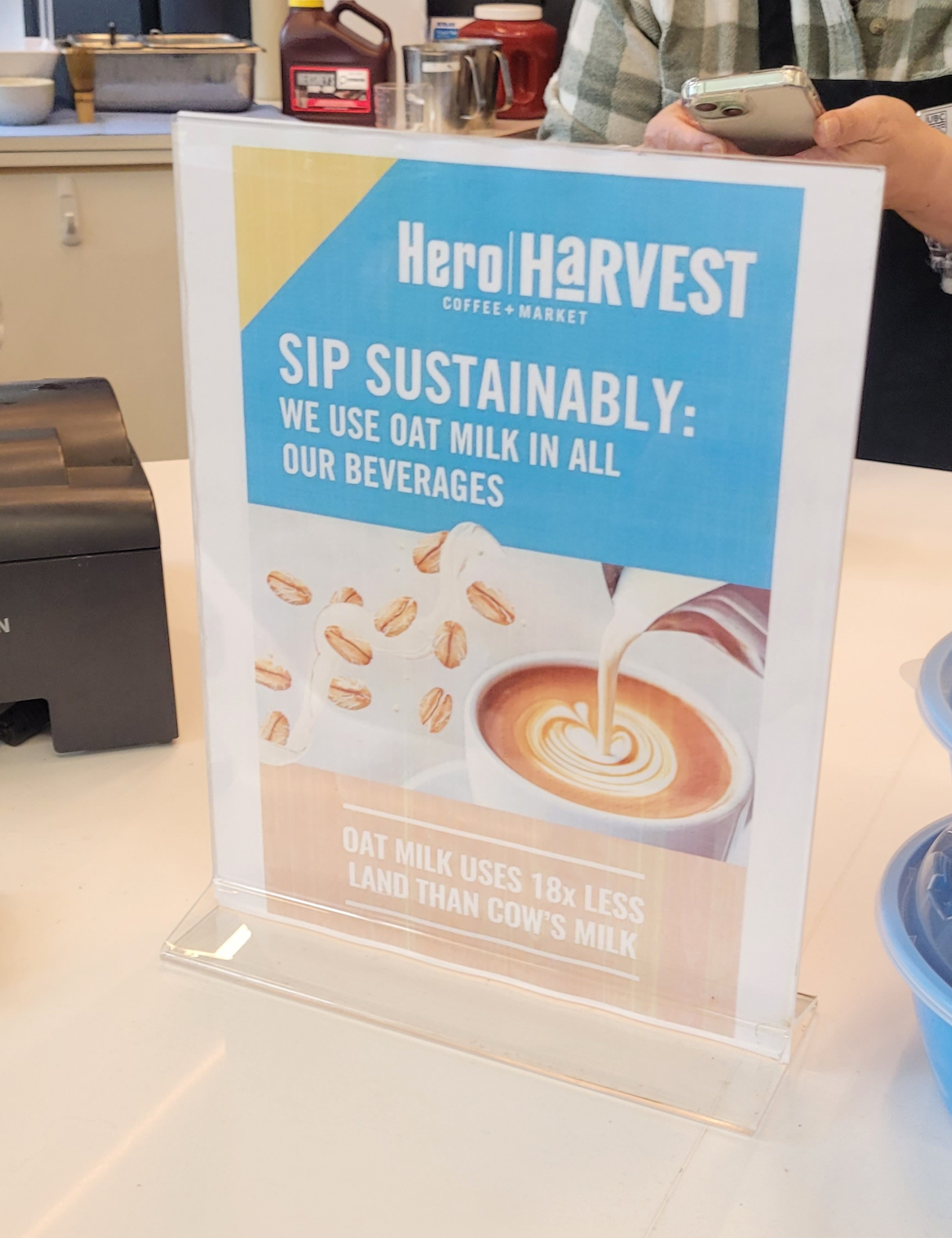
In January 2026, the Hero Harvest café launched a pilot making oat milk the default option, with dairy still available upon request. "Oat milk has a much lower environmental footprint than cow's milk and does not rely on animal abuse. This was a result of the hard work of a lot of stakeholders and activists," Cloé shared.
What made all of this possible? According to Cloé, the Fellowship provided more than resources; it provided a culture.
Beyond the campaign wins, the New Roots Institute Fellowship helped her land a role in animal advocacy. Cloé has accepted a position as Social Media Lead at We the Free, noting, "I believe my experience in the Fellowship was helpful in securing the position."
New Roots Institute fellows don't just learn how to advocate. They learn how to lead, how to build, and how to create change that outlasts any single campaign or semester. Cloé's story — an oat milk default pilot, a first-ever plant-based food festival, a succession plan already in motion, and a career that reflects her values — is what that looks like in practice.
Cloé Sousa is a New Roots Institute alum, founder of the Vegan Activism Instagram community, and recent graduate with a Bachelor of Science in Natural Resources Conservation from UBC, where she also served as President of the Vegans of UBC club.
New Roots Institute is a nonprofit empowering the next generation with knowledge and training to end factory farming. Through our leadership development programs, fellows take what they learn about the food system and put it into practice by launching campaigns that challenge industrial animal agriculture. We are strengthening the movement—spreading change from individuals to their communities, and expanding outward into wider systems-level change.