
ACADEMIC 
YEAR
FELLOWSHIP
ACADEMIC
YEAR
FELLOWSHIP

Leadership Academy graduates can take what they learn and apply it in the Academic Year Fellowship, where they lead campus campaigns that challenge norms around animal product consumption and promote just, sustainable alternatives.

Fellows Receive

  • Specialized coaching from New Roots Institute staff
  • Subject-matter expertise and guidance from leading organizations to help shape their campaigns
  • Full funding via project grants to support their work
  • Close mentorship from peers who have launched successful campaigns

Campaign Impact

We estimate that over the last two years, fellows have reached over 3 million people and influenced the dining behaviors of over 250k people, reducing the demand for meals containing animal products by roughly 3.5 million per year.
86%
of fellows
were highly satisfied with the Academic Year Fellowship
felt highly supported by New Roots staff throughout their campaign.
felt highly motivated to join the broader movement to end factory farming.
were highly likely to recommend the Academic Year Fellowship.
86%
of fellows
were highly satisfied with the Academic Year Fellowship
felt highly supported by New Roots staff throughout their campaign.
felt highly motivated to join the broader movement to end factory farming.
were highly likely to recommend the Academic Year Fellowship.

Program Schedule and Structure

Term 1
September 23 - December 12, 2025 (Weeks 1 - 12)

Term 2
January 20 - April 9, 2026 (Weeks 13 - 24)
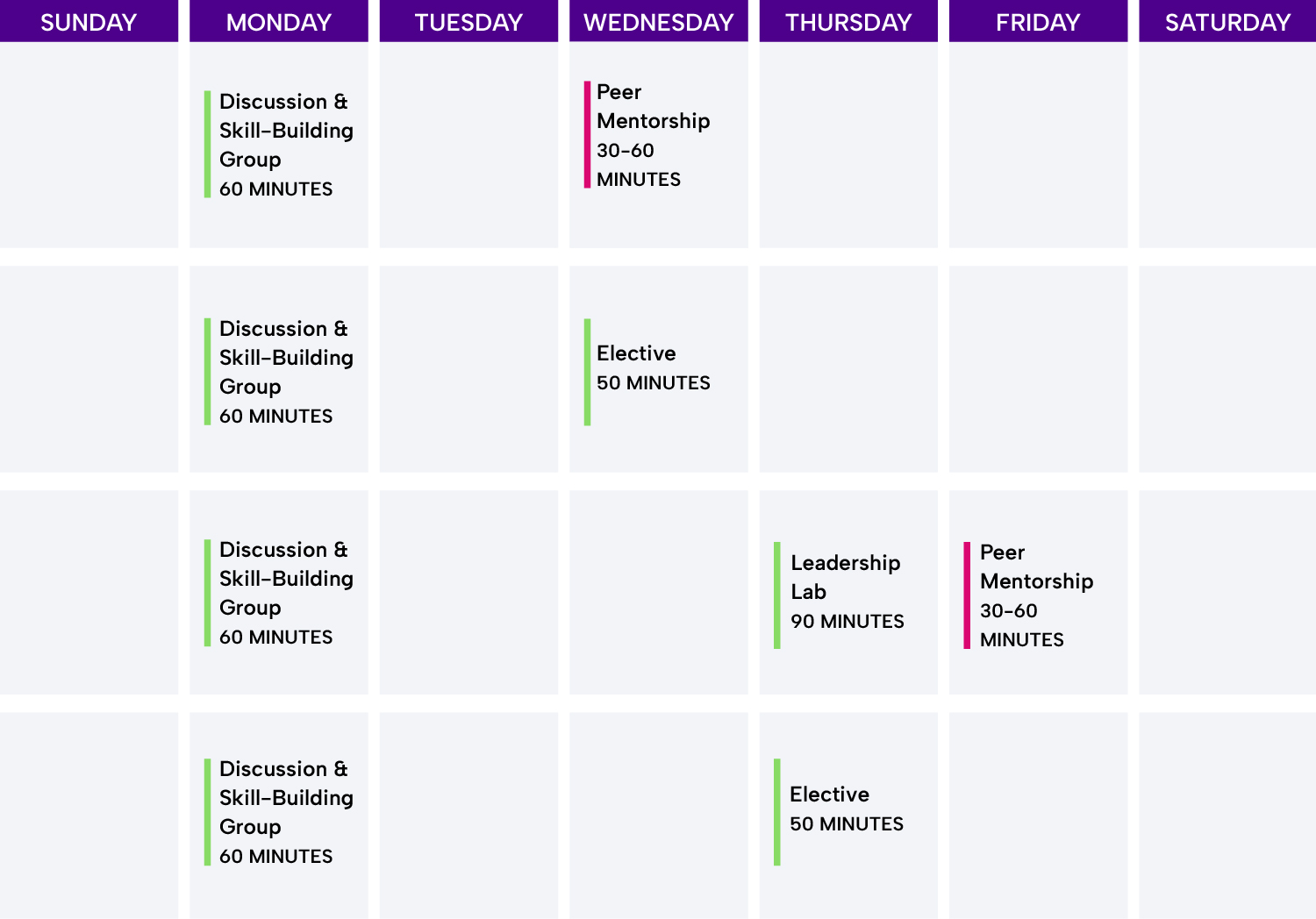
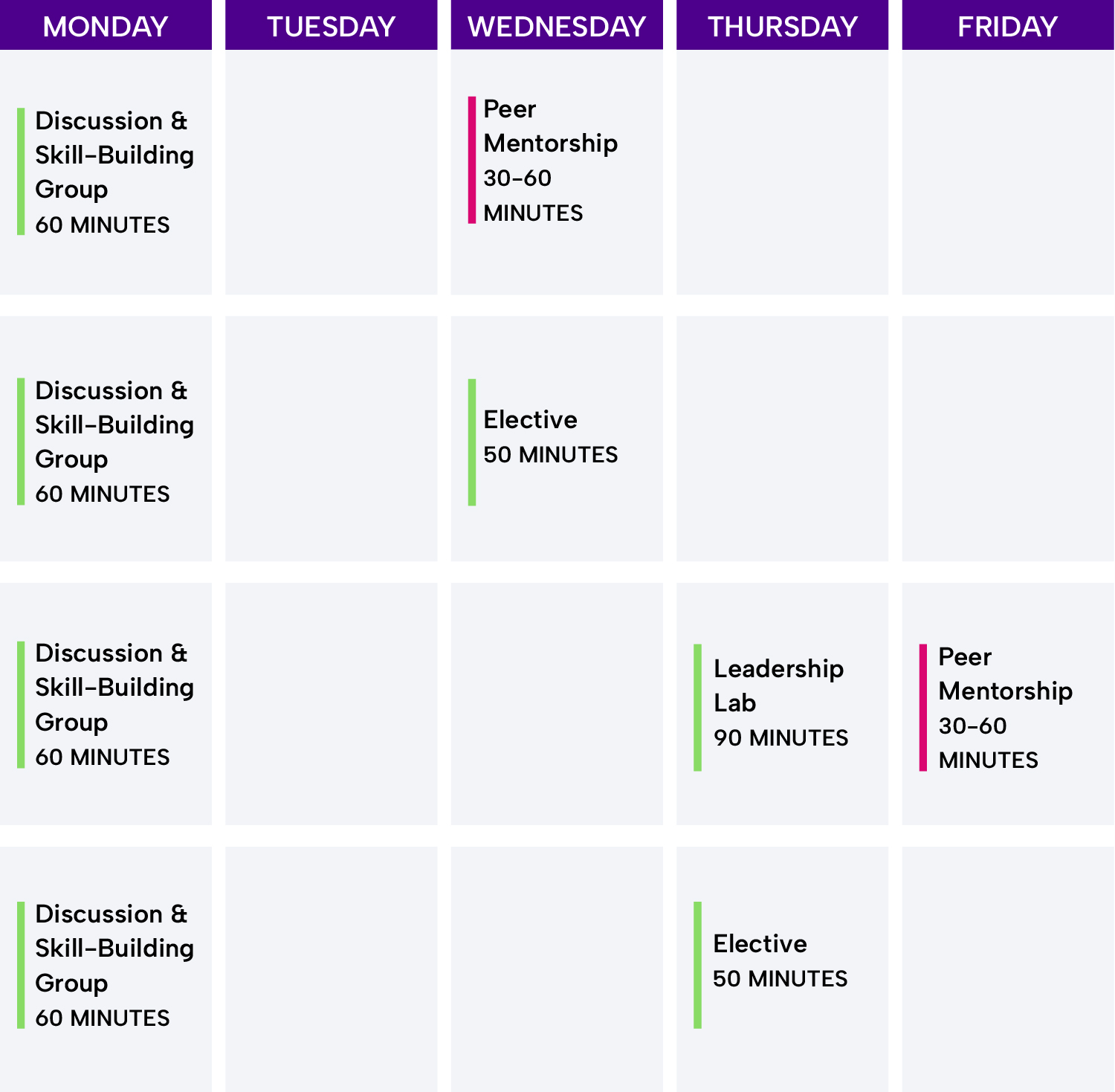
All-Fellow Leadership Labs
Discussion and Skill-building Groups
Peer Mentorship
Electives
Estimated Time Commitment
Cost
Sample Schedule

Types of Campaigns

SUSTAINABLE DINING
LEGISLATIVE
COMMUNICATION AND
EDUCATION
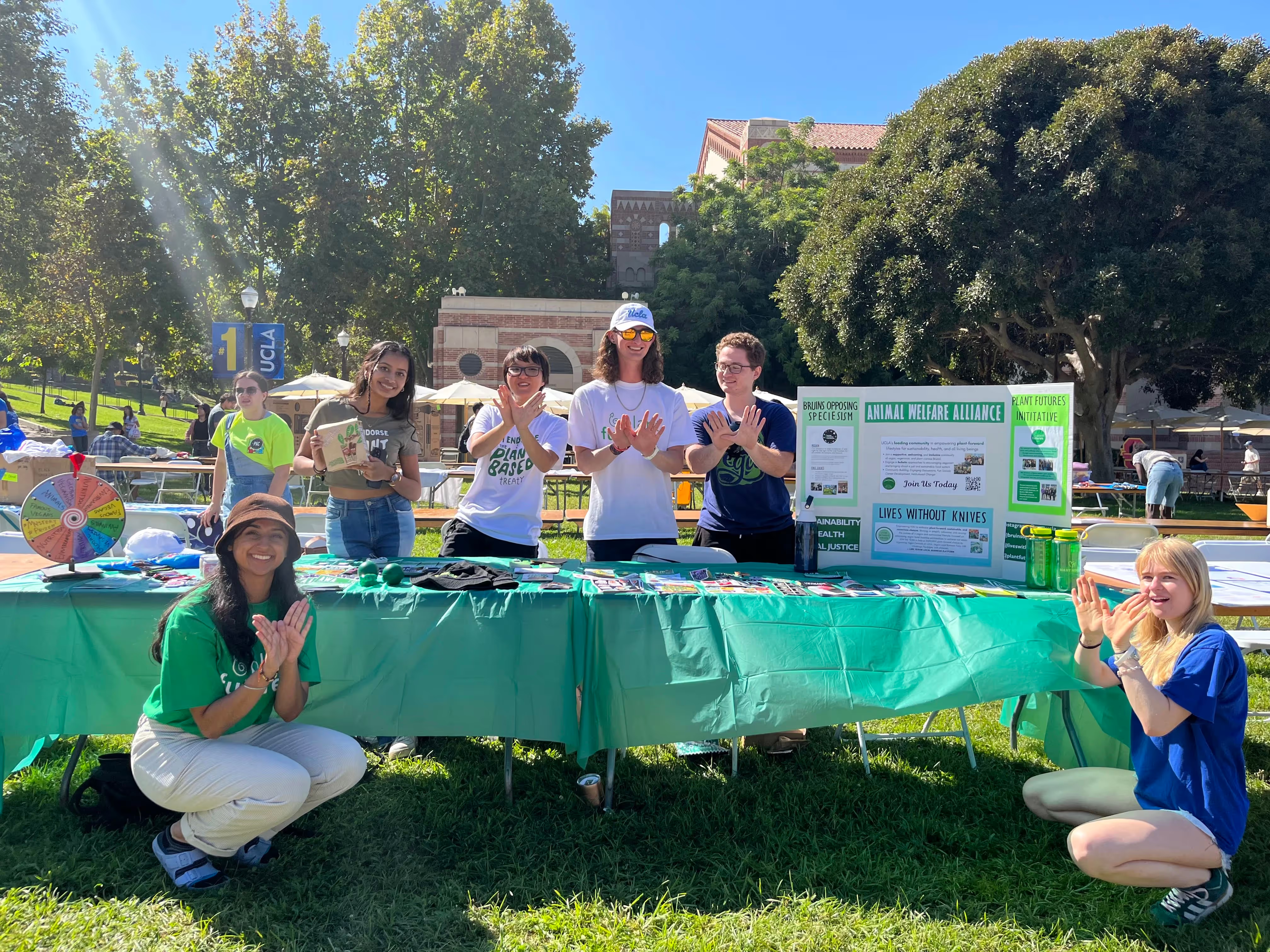
To improve the health, equity, and sustainability of campus and community food systems, fellows expand access to plant-based meals. They work to secure cafeteria commitments and push for options that are affordable, appealing, and easy to find.

To advance legislative and institutional interventions to industrial animal agriculture, fellows research local policy, build relationships with decision-makers, and organize community support. They work to pass targeted measures aimed at reducing factory farming's impacts and promoting sustainable food procurement in their communities.

To create lasting attitudinal and cultural shifts around industrial animal agriculture, fellows use persuasive communication, strategic relationship-building, and impactful education to spark conversations and shift norms. They work to share research-backed information about the impacts of factory farming and highlight practical, plant-forward solutions.Through persuasive communication, strategic relationship-building, and impactful education, fellows spark conversations, shift norms, and create lasting change in classrooms and communities. They work to share research-backed information about the impacts of factory farming and offer practical alternatives.

Examples include: 
Examples include: 
Examples include: 
  • Increase plant-based meals in dining halls
  • Remove surcharges on plant-based options
  • Improve access to nondairy milk
  • Add plant-based menu items to a local restaurant
  • Introduce a bill to ban octopus factory farming
  • Improve plant-based procurement in schools
  • Bans on the sale of foie gras
  • Promote alternatives to animal dissection
  • Lead classroom lessons about factory farming
  • Host campus events
SUSTAINABLE DINING
To improve the health, equity, and sustainability of campus and community food systems, fellows expand access to plant-based meals. They work to secure cafeteria commitments and push for options that are affordable, appealing, and easy to find.

Examples include: 
  • Increase plant-based meals in dining halls
  • Remove surcharges on plant-based options
  • Improve access to nondairy milk
  • Add plant-based menu items to a local restaurant
LEGISLATIVE
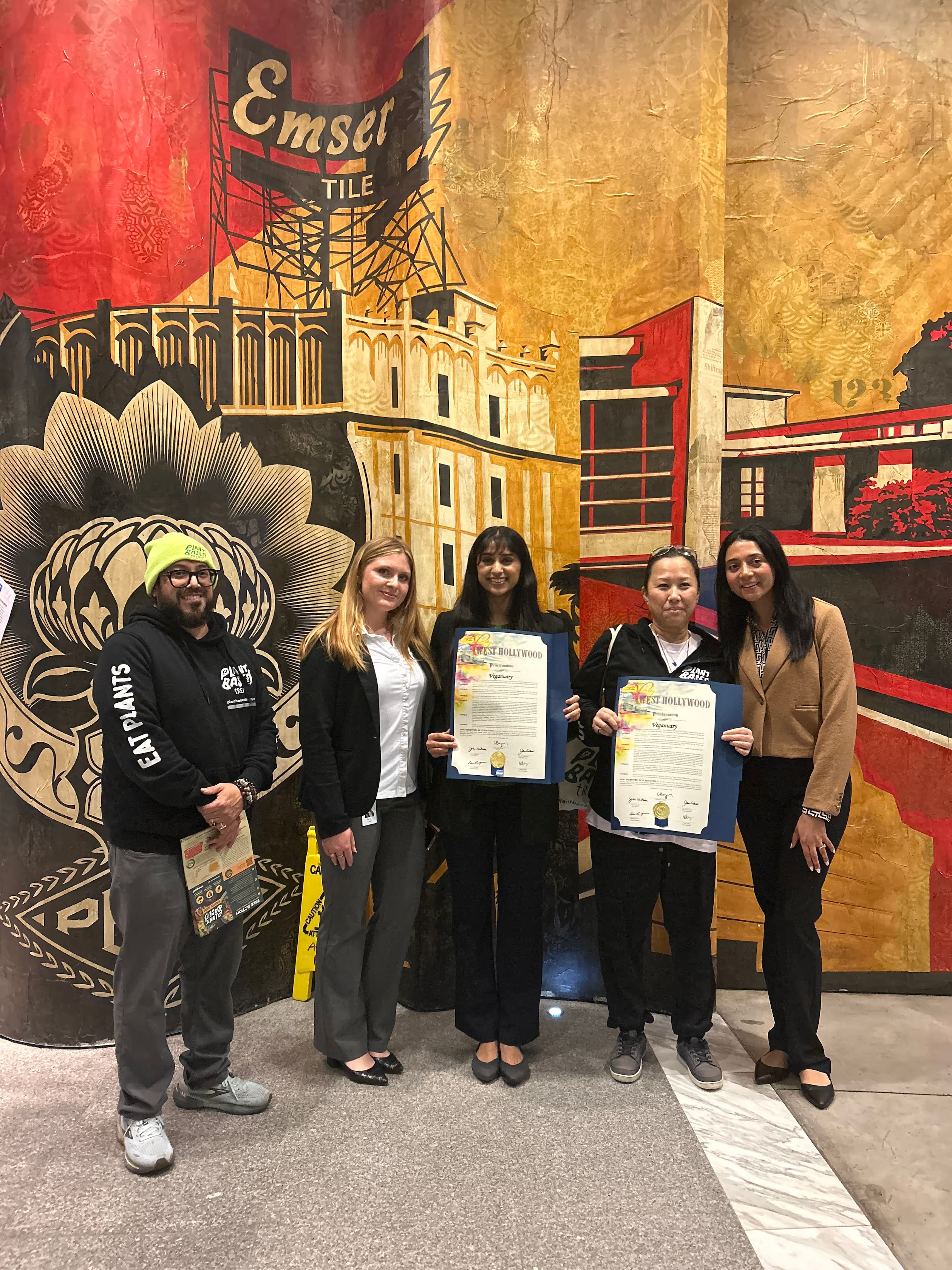
To advance legislative and institutional interventions to industrial animal agriculture, fellows research local policy, build relationships with decision-makers, and organize community support. They work to pass targeted measures aimed at reducing factory farming's impacts and promoting sustainable food procurement in their communities.

Examples include: 
  • Introduce a bill to ban octopus factory farming
  • Improve plant-based procurement in schools
  • Bans on the sale of foie gras
COMMUNICATION AND
EDUCATION
To create lasting attitudinal and cultural shifts around industrial animal agriculture, fellows use persuasive communication, strategic relationship-building, and impactful education to spark conversations and shift norms. They work to share research-backed information about the impacts of factory farming and highlight practical, plant-forward solutions.Through persuasive communication, strategic relationship-building, and impactful education, fellows spark conversations, shift norms, and create lasting change in classrooms and communities. They work to share research-backed information about the impacts of factory farming and offer practical alternatives.

Examples include: 
  • Promote alternatives to animal dissection
  • Lead classroom lessons about factory farming
  • Host campus events

Campaign Stories

Hear From Fellows

​​I’m working to address the lack of awareness about the environmental, ethical, and health impacts of factory farming. Through workshops, campaigns, and educational outreach, I’m introducing plant-based alternatives and encouraging more sustainable food choices among youth.

CALVIN B.
UNIVERSITÉ DE KIGALI, GRADUATED 2021
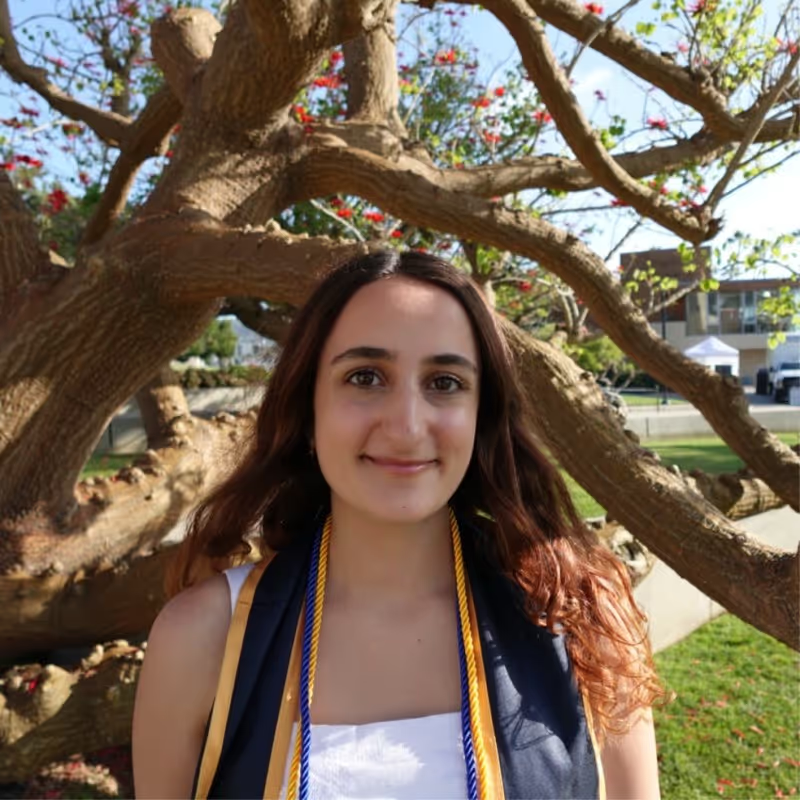
My efforts over the course of the past two years recently led to the removal of the oatmilk upcharge at UCSD! I also hosted multiple plant-based cooking and food tasting events and led social media campaigns with UCSD dining.

ARPI K.
UC SAN DIEGO, GRADUATED 2025

​​I’m working to address the lack of awareness about the environmental, ethical, and health impacts of factory farming. Through workshops, campaigns, and educational outreach, I’m introducing plant-based alternatives and encouraging more sustainable food choices among youth.

CALVIN B.
UNIVERSITÉ DE KIGALI, GRADUATED 2021
My efforts over the course of the past two years recently led to the removal of the oatmilk upcharge at UCSD! I also hosted multiple plant-based cooking and food tasting events and led social media campaigns with UCSD dining.

ARPI K.
UC SAN DIEGO, GRADUATED 2025
I realized how powerful it is to ask the right questions instead of immediately offering solutions. The peer coaching approach made me see that guiding someone to reflect and discover their own answers can be more effective and empowering than simply advising.

RAJ P.
PRAVIN ROHIDAS PATIL COLLEGE OF 
ENGINEERING AND TECHNOLOGY
EXPECTED GRADUATION 2027
I think community has been one of the things that's definitely made it the easiest to push through when there are obstacles or resistance. There is a lot of that resistance and it can make you feel defeated, but you go and talk to other students who are going through the same thing or feel just as passionately about making this change as yourself. It's the same with hopping on the New Roots calls. You have that same sense of community where you're not going through this alone and others are working towards the same thing.

JESS C.
CORNELL UNIVERSITY, GRADUATED 2025

The confidence this experience has given me to launch and maintain effective campaigns has multiplied in me ten thousandfold. I’ve been working on various vegan-related projects for a couple of years now, but still felt I wasn’t truly making any sort of impact. Now, having finished my campaign, I feel energized to keep working within my community to normalize plant-based eating and expand the options available at restaurants as well as hospitals, schools, soup kitchens, etc.

RAIZZI S.
COUNTY COLLEGE OF MORRIS, CLASS OF 2022

Current & Previous Partners