



Animals
10 billion animals are slaughtered each year in the US. 99% of them are raised on factory farms. (Oct 2024)Â
‍Source →
There are 97 million more animals (6.1%) living on factory farms than five years ago, and 46.9 percent more than 20 years ago. (Sept 2024)Â
‍Source →
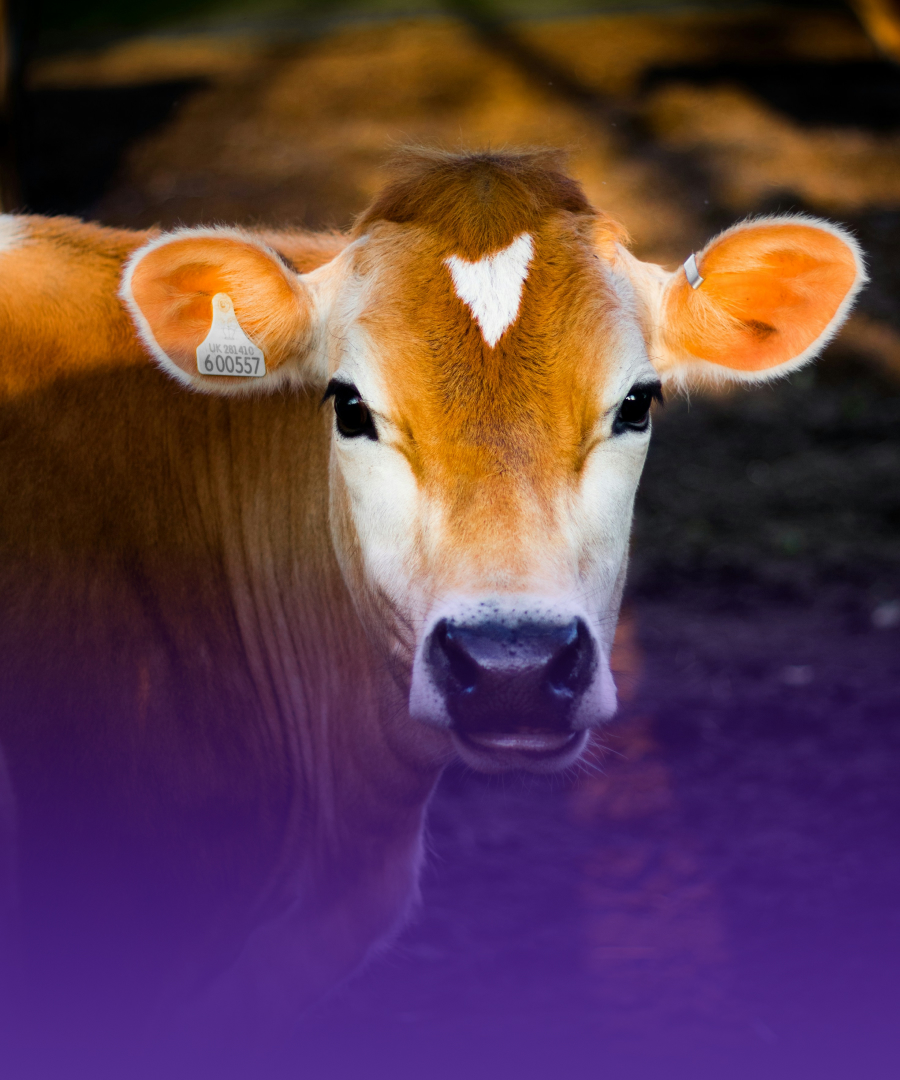
On industrial dairy farms, newborn calves are separated from their mothers within 24 hours after birth, leading to signs of distress in both cow and calf.Â
‍Source →
Disbudding is the removal of horn buds in young calves, typically under two months old, using methods like burning, caustic paste, or surgery. It’s intended to reduce injuries among animals and handlers in intensive farming operations. However, even with pain relief, calves often continue to show signs of pain and discomfort after the procedure.
‍Source →
In battery cages, four or more hens are crammed into wire enclosures so tight they are unable to spread their wings. This extreme confinement leads to stress-related behaviors like pecking at each other.
‍Source →
Throughout their pregnancies, pigs are often kept in gestation crates—narrow metal enclosures barely large enough to hold their bodies. With no room to turn around, they frequently develop abnormal behaviors, leg issues, bladder infections, and skin wounds.
‍Source →
According to the USDA, there are 800 federally inspected slaughterhouses in the United States. And we slaughter one million animals an hour, making the line speeds incredibly fast (creating significant injury risks for workers as well as severely increasing concerns for animals going through the system).
‍Source →


.png)